
## The Diet With the Strongest Evidence Base in Nutrition Science
Most dietary patterns marketed for weight loss or "metabolic health" have thin, inconsistent, or short-term evidence behind them. The Mediterranean diet is the exception. It's one of the most extensively studied dietary patterns in existence, with decades of observational data and — critically — large randomized controlled trials, which is rare in nutrition research.
This post looks at why it works mechanistically, what the strongest trials actually found, and how it connects specifically to mitochondrial and cellular energy health.
## What "Mediterranean Diet" Actually Means
It's not a single fixed meal plan — it's a dietary pattern characterized by:
- High intake of olive oil (particularly extra-virgin, as the primary fat source)
- High intake of vegetables, fruits, legumes, and whole grains
- Regular fish and seafood consumption
- Moderate nuts and dairy
- Low red meat and processed food intake
- Moderate wine consumption with meals (optional, and not relevant for everyone)
## The Landmark Trial: PREDIMED
The strongest piece of evidence for the Mediterranean diet isn't an observational study — it's PREDIMED, a large randomized controlled trial published in the *New England Journal of Medicine*, which followed thousands of people at high cardiovascular risk for nearly five years.
Participants were randomized into a low-fat control diet or a Mediterranean diet supplemented with either extra-virgin olive oil or mixed nuts. The Mediterranean diet groups showed a significant reduction in major cardiovascular events (heart attack, stroke, and cardiovascular death) compared to the control group — roughly a 30% relative risk reduction. This is one of the few dietary interventions with RCT-level evidence at this scale for hard cardiovascular outcomes, not just biomarkers.
## The Mitochondrial Mechanism
Why does a dietary pattern affect cardiovascular and metabolic outcomes this strongly? Several mechanisms converge on mitochondrial and cellular energy health specifically:
### Olive Oil Polyphenols and Oxidative Stress
Extra-virgin olive oil contains polyphenols (including oleocanthal and oleuropein) with measurable antioxidant activity. Reducing oxidative stress matters directly for mitochondria, since the electron transport chain is itself a source of reactive oxygen species — antioxidant-rich diets reduce the cumulative oxidative load mitochondria have to manage.
### Omega-3 Fatty Acids and Membrane Function
Regular fish intake supplies EPA and DHA, omega-3 fatty acids that become incorporated into cell membranes — including mitochondrial membranes. Membrane composition affects how efficiently mitochondria can maintain the proton gradient used for ATP production.
### Reduced Metabolic Endotoxemia
A diet lower in processed food and higher in fiber supports a healthier gut barrier, reducing translocation of inflammatory bacterial byproducts (LPS) into circulation. Chronic low-grade inflammation from this pathway is a known suppressor of PGC-1α, the master regulator of mitochondrial biogenesis — so reducing it is, mechanistically, pro-mitochondrial.
### Polyphenol-Driven Mitochondrial Biogenesis
Beyond olive oil, the diet's overall polyphenol load (from vegetables, fruit, and moderate wine) has been studied for activating cellular pathways — including AMPK and sirtuin signaling — that overlap with the same pathways activated by exercise and fasting, both well-established drivers of new mitochondrial growth.
## What the Research Doesn't Claim
It's worth being precise here: the Mediterranean diet's strongest evidence is for cardiovascular outcomes and metabolic markers (triglycerides, blood pressure, insulin sensitivity). The mitochondrial mechanisms above are biologically plausible and supported by mechanistic research, but a trial specifically measuring "mitochondrial density before and after Mediterranean diet adoption" at PREDIMED's scale doesn't exist. The connection is a reasonable, evidence-informed inference from overlapping mechanisms — not a single trial that proves the whole causal chain directly.
## Making It Practical
The diet's evidence comes from sustained, long-term adherence — not a 30-day experiment. The practical entry points that have the most support:
1. **Replace your primary cooking fat with extra-virgin olive oil.** This is the single most consistently studied substitution in the Mediterranean diet literature.
2. **Add fish 2–3 times per week**, prioritizing fattier varieties (salmon, sardines, mackerel) for the omega-3 content.
3. **Default to plants first** — vegetables, legumes, and whole grains as the base of a meal, with meat as an accompaniment rather than the centerpiece.
4. **Cut processed and refined-carbohydrate foods**, which is doing a lot of the metabolic-benefit heavy lifting independent of what you add.
If you want a structured starting point rather than figuring out the substitutions yourself, [this quiz-based Mediterranean diet plan](/products/5) builds a personalized version of the pattern based on your current eating habits and goals — useful mainly as a structured on-ramp, not a replacement for the core principles above.
## The Bottom Line
The Mediterranean diet has the kind of evidence base — including large RCTs with hard clinical endpoints — that almost no other dietary pattern can claim. The mechanisms run through reduced oxidative stress, healthier mitochondrial membrane composition, lower inflammatory load on mitochondrial biogenesis pathways, and polyphenol-driven cellular signaling. None of it requires supplements or exotic ingredients — just a sustained shift in what oil, protein, and produce make up the bulk of your plate.
Written by
Mitoproof
Translating the science of cellular aging and biohacking into practical, evidence-grounded guidance for everyday protocols.
Keep reading
All articles →
featured
The Vaginal Microbiome: The Second Microbiome Most Biohackers Have Never Tested
The vaginal microbiome is just as biologically active as your gut and drives UTI frequency, yeast infections, fertility, and systemic...
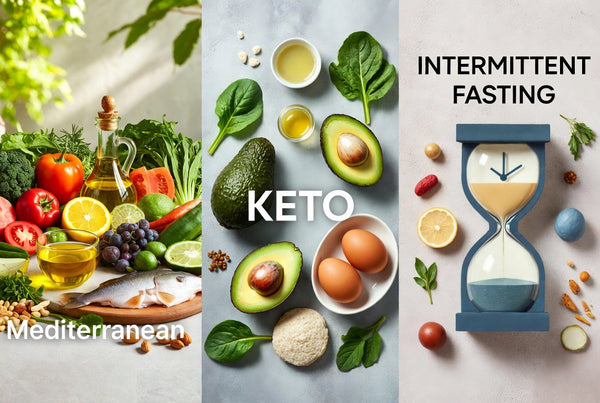
Mediterranean Diet vs. Keto vs. Intermittent Fasting: What the Evidence Actually Supports
Three popular approaches, compared directly against the evidence for the outcomes that actually matter -- not just which one is...

Lion's Mane, Bacopa, and Shilajit: What the Research Actually Shows About Nootropic Herbs
Most nootropic blends bury their ingredients in a 'proprietary formula' with zero dosing transparency. Here's what the actual research says...