## The Strain Most Probiotic Companies Ignore
Walk into any health food store and you'll find probiotic supplements boasting 50 billion CFU of Lactobacillus and Bifidobacterium strains. These are fine bacteria. But they're not addressing the most consequential deficit most people have.
*Akkermansia muciniphila* comprises 1–4% of the gut microbiome in healthy adults. In people with obesity, type 2 diabetes, inflammatory bowel disease, and metabolic syndrome — it's often nearly undetectable.
This single correlation has driven more research investment than almost any other probiotic organism in the past decade. What researchers found explains why.
## What Akkermansia Actually Does
### It Maintains the Gut Barrier
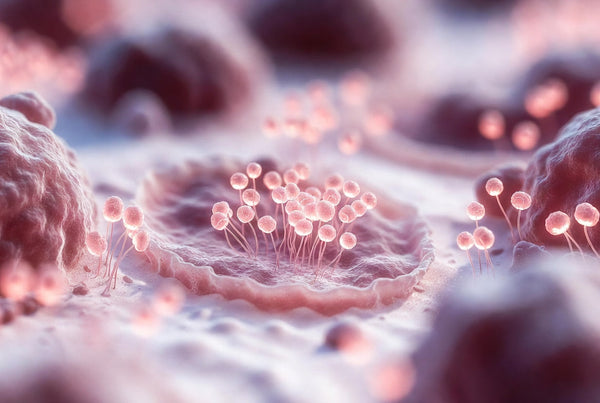
Akkermansia is a mucin-degrading bacterium — it lives in and feeds on the mucus layer lining your intestinal wall. This might sound counterproductive, but the relationship is mutualistic: Akkermansia's metabolic activity stimulates the goblet cells that *produce* mucus, thickening and maintaining the barrier rather than depleting it.
The result is a robust, well-regulated intestinal lining with:
- Tight junction proteins (claudin-3, occludin) properly expressed
- Reduced intestinal permeability ("leaky gut")
- Controlled translocation of bacterial endotoxins (LPS) into systemic circulation
LPS (lipopolysaccharide) leaking through a degraded gut barrier is now recognized as a primary driver of **metabolic endotoxemia** — a state of chronic, low-grade inflammation that directly impairs mitochondrial function.
### It Produces Propionate and Amuc_1100
Akkermansia's fermentation produces short-chain fatty acids, primarily propionate. Propionate:
- Serves as a gluconeogenic substrate in the liver
- Activates GPR41/43 receptors that regulate appetite and glucose metabolism
- Inhibits histone deacetylases (HDACs) in colonocytes — an epigenetic effect that reduces inflammatory gene expression
But the more remarkable discovery was Amuc_1100 — a specific outer membrane protein of Akkermansia that, by itself, can reproduce many of the metabolic benefits of the live bacterium. Amuc_1100 acts as a Toll-like receptor 2 (TLR2) agonist, triggering anti-inflammatory signaling and improving gut barrier function even in the absence of live colonization.
This discovery is why **pasteurized** Akkermansia preparations maintain therapeutic efficacy — the key protein survives heat treatment.
## The Mitochondrial Connection
The link between Akkermansia and mitochondrial function runs through several pathways:
### 1. Metabolic Endotoxemia Suppression
LPS from gram-negative bacteria activates TLR4 on macrophages and triggers NF-κB-mediated inflammatory cascades. Sustained NF-κB activation inhibits PGC-1α — the master regulator of mitochondrial biogenesis. By maintaining gut barrier integrity, Akkermansia reduces systemic LPS and removes a major brake on mitochondrial health.
### 2. Butyrate Cross-Feeding
Akkermansia's mucin degradation produces acetate and propionate, which other bacteria (particularly *Faecalibacterium prausnitzii*) convert to butyrate. Butyrate is the primary fuel source for colonocytes and a potent mitochondrial stimulant — it upregulates Complex I and Complex II activity in intestinal epithelial cells.
### 3. GLP-1 and Insulin Signaling
High Akkermansia abundance correlates with elevated GLP-1 (glucagon-like peptide 1) secretion. GLP-1 improves insulin sensitivity and has direct mitochondrial protective effects in pancreatic beta cells and neurons.
## Clinical Evidence
### Metformin and Akkermansia
A 2016 study in *Gut* found that the anti-diabetic drug metformin significantly increases Akkermansia abundance — and this increase partially explains metformin's metabolic benefits. When germ-free mice were colonized with Akkermansia from metformin-treated animals, they showed improved glucose tolerance without the drug.
### Direct Supplementation Trials
A 2019 pilot RCT in *Nature Medicine* (Plovier et al.) administered 10^10 CFU of either live or pasteurized Akkermansia to metabolic syndrome patients for 3 months. Results:
- Improved insulin sensitivity
- Reduced total cholesterol
- Reduced plasma LPS levels
- Improvements in gut permeability markers
- **Pasteurized performed comparably to live** — confirming Amuc_1100's role
## Why Your Akkermansia Is Likely Low
Multiple modern exposures deplete Akkermansia:
| Factor | Mechanism |
|---|---|
| Antibiotics | Direct killing; Akkermansia is relatively antibiotic-sensitive |
| High-fat/processed diet | Reduces mucus layer, depletes Akkermansia habitat |
| NSAIDs (ibuprofen, aspirin) | Damage intestinal lining, reduce mucin secretion |
| Alcohol | Alters gut pH and mucus composition |
| Stress | HPA axis activation reduces mucus production |
| Proton pump inhibitors | Alter GI environment unfavorable to Akkermansia |
## How to Increase Akkermansia
### Direct Supplementation
[Pendulum Akkermansia](/products/2) (the only FDA-authorized live strain supplement in the US) or Akkermansia-containing products using pasteurized strains. Look for products listing *Akkermansia muciniphila* WB-STR-0001 or similar validated strains.
**Dose:** 10^9–10^10 CFU daily
### Prebiotic Support
Akkermansia thrives on specific food compounds:
- **Polyphenols** — especially cranberry extract, pomegranate, grape seed proanthocyanidins, and green tea
- **Inulin and FOS** — prebiotic fibers that feed mucus-producing bacteria
- **Omega-3 fatty acids** — EPA and DHA support mucin production
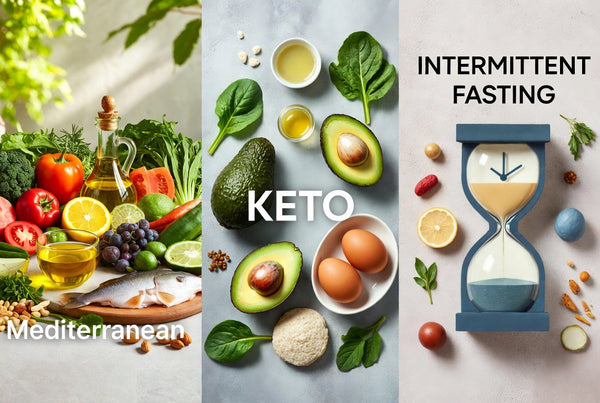
### Dietary Shifts
- Increase dietary fiber to 30–40g/day from diverse plant sources
- Include fermented foods (reduce dysbiotic species that compete with Akkermansia)
- Minimize ultra-processed foods, which directly reduce Akkermansia abundance within weeks
### Fasting Protocols
Intermittent fasting and time-restricted eating reliably increase Akkermansia abundance — the mucus layer thickens during fasting periods, expanding Akkermansia's habitat.
## The Test-and-Track Approach
Akkermansia abundance can be measured via stool microbiome testing (Viome, Genova GI Effects, uBiome-successor services). A pre- and post-intervention test at 90 days allows you to confirm whether your Akkermansia levels are actually responding to supplementation and dietary changes.
Target: >1% relative abundance. Healthy centenarians typically show 3–5%.
## Conclusion
Akkermansia isn't a supplement trend. It's the bacterium your gut lining's structural integrity depends on — and its decline is measurably upstream of metabolic disease, mitochondrial dysfunction, and systemic inflammation.
If you've optimized sleep, reduced blue light, taken your CoQ10 and NMN, and still feel like something is missing — the gap may be inside your gut wall.